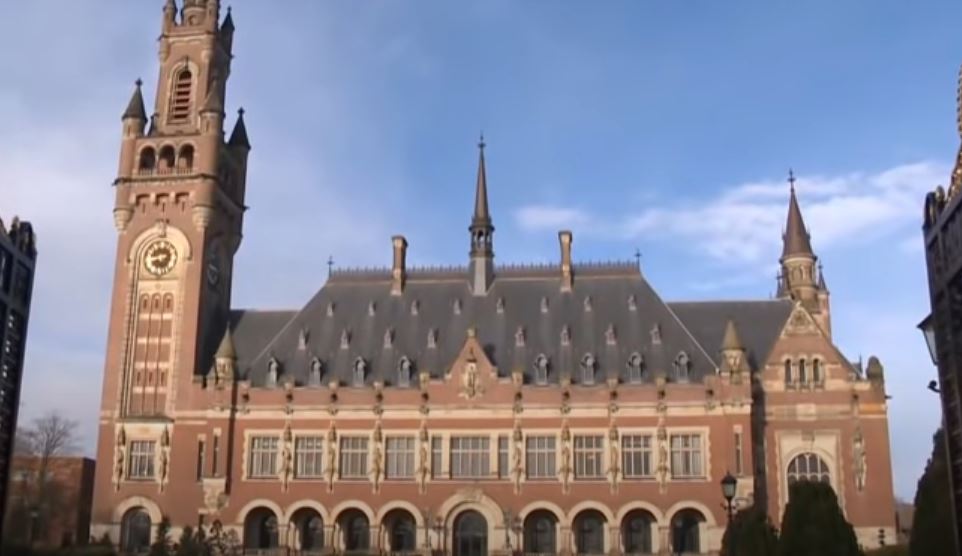
Iran’s in charge of legal issues Laya Joneidi has confirmed a lawsuit against the United States over financial sanctions.
The Iranian economy dependent on oil exports suffered heavy losses in the early 2000s from international sanctions. Earlier, the International Atomic Energy Association (IAEA), the UN’s nuclear watchdog, discovered that Tehran is secretly enriching uranium and recycling operations.
While most of these sanctions were lifted in 2016 after the IAEA verified Iran’s compliance with the commitments made in the Comprehensive Joint Action Plan (JCPOA) in 2015, some are still imposed and even replicated.
Specifically, the United States withdrew from the nuclear deal with Iran JCPOA in 2018 and has since then systematically imposed sanctions on Iran’s economy, including oil, the metal industry, finance and banking, trade development, and weapons, in addition to prohibiting travel and freezing of assets.
BAN EXTENDS
Stemming from Washington’s desire to bring Iran’s oil exports to zero, sanctions have also been extended to other countries doing business with Tehran.
Iran is currently one of the Middle East countries most affected by the Covid-19 epidemic. Despite Tehran’s repeated calls to lift sanctions during the Covid-19 pandemic, U.S. sanctions on Iran were upheld.
The risk of conflict between the United States and Iran culminated in January when the US drone killed General Qassem Soleimani. Iran then launched ballistic missiles against US forces bases in Iraq in retaliation.
The two countries avoided the risk of war when US President Donald Trump decided not to launch an airstrike against Iran. However, recent bilateral relations continue to be tense, when Iran on June 29 issued an arrest warrant for Mr. Trump on charges of murder for ordering the murder of Qassem Soleimani.